book · draft
The New Science of Cities
Michael Batty's 2013 argument that cities are flows and networks rather than fixed artefacts, with the models that follow from treating them that way.
Cities & placesMovement & logisticsPeople & society
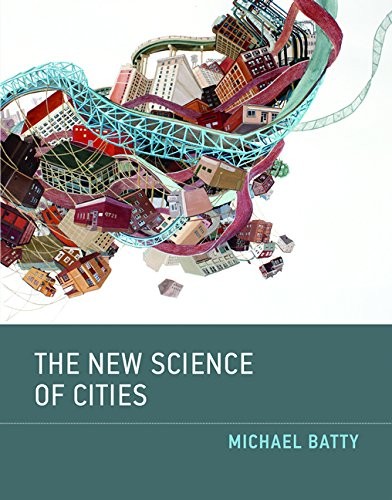
Batty builds the case from complexity theory, urban economics and transport theory. The book works through city size, internal structure, transport routes and location. It then presents models in order of growing elaboration: simple random processes first, land-use and transport models last. Land-use and transport models estimate where people live and work and how they travel between the two. The closing chapters turn to design and decision models for cities that do not yet exist, and treat urban design as something a group of people does together.
Most urban simulation rests on this theory. It covers which quantities a model should carry, which interactions matter, and why a model of a city has to represent its movements and connections.
Cover via Open Library.
- authors
- Michael Batty
- publisher
- MIT Press
- year
- 2013
- isbn
- 9780262019521
- url
- https://openlibrary.org/works/OL20228583W
produced by this organization or person
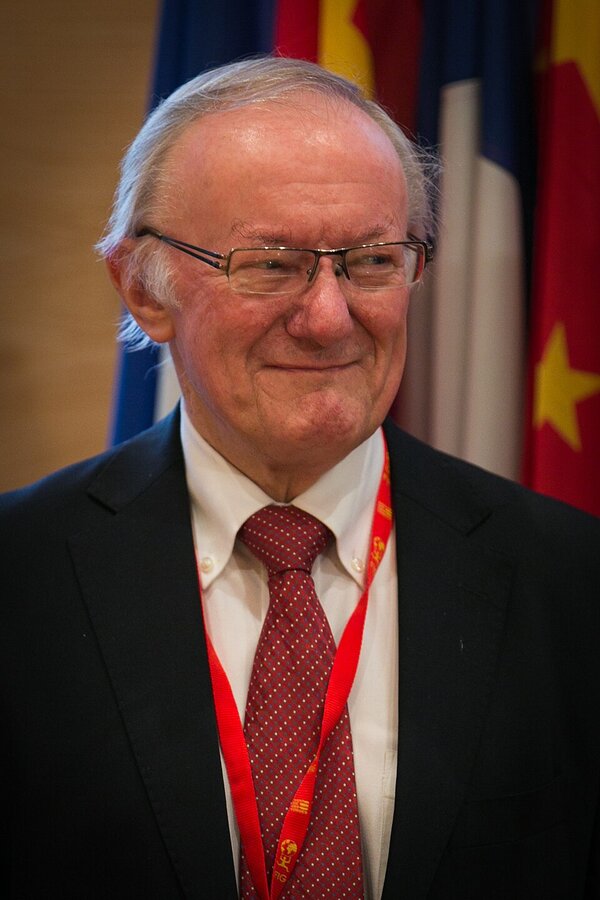
British urban modeller, Bartlett Professor of Planning at UCL and chair of CASA, whose books set out the bottom-up, complexity view of cities.
Tags: cities, networks, flows, simulation, complexity