organization · draft
Santa Fe Institute (SFI)
Nonprofit centre in Santa Fe, New Mexico, founded in 1984 to study complex systems; its free Complexity Explorer courses teach agent-based modelling and scaling.
People & societyCities & places
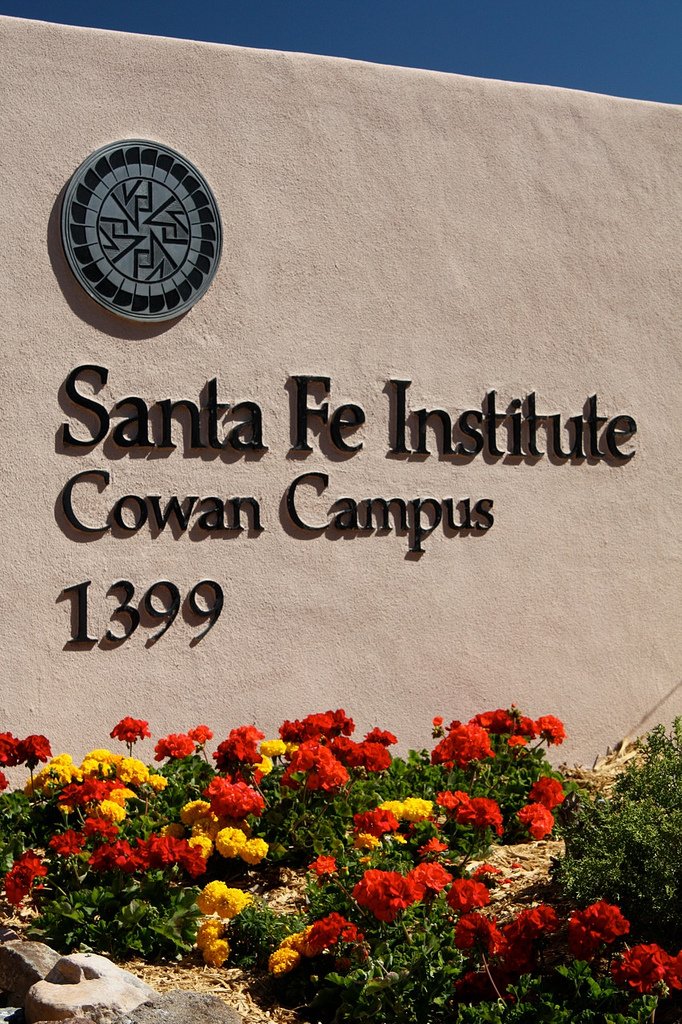
Main gate sign at the Santa Fe Institute, 2011. Go2placitas, Wikimedia Commons, CC BY-SA 3.0.
The Santa Fe Institute (SFI) is an independent, nonprofit research and education centre for complex systems science, on its Cowan Campus in Santa Fe, New Mexico.1 It was founded in 1984, the first research institute devoted to the study of complex adaptive systems.1 Complex systems, in SFI's words, are ones in which many agents interact and adapt to one another and to their surroundings; its examples include ecosystems, economies and cities.1
The institute grew out of weekly discussions that the Los Alamos chemist George Cowan held with senior colleagues at the laboratory from 1982. The physicist David Pines joined in early 1983 and brought in Murray Gell-Mann.2 The group incorporated the institute in May 1984 as the Rio Grande Institute and renamed it once Cowan bought the name Santa Fe Institute from a local treatment centre. Two founding workshops, "Emerging Syntheses in Science", followed in late October and early November 1984.2
SFI lists the areas where its methods have had most impact. Agent-based modelling, which simulates many interacting individuals, is one, applied to pandemics, economics and conflict. Scaling theory, applied among other things to urban growth, is another. The list also names ecological stability and resilience, and cities and urbanisation.1 On this site, SFI hosted the 2026 working group on digital twins of complex systems and published a report on it; its lectures are on YouTube.
For someone building a model of a place, SFI's most direct offer is Complexity Explorer, its online school. Ginger Richardson and Melanie Mitchell began planning it in 2010, it launched in 2011 with support from the John Templeton Foundation, and its first course ran in early 2013.3 All of its content is free, and SFI says it has reached over 90,000 users since 2013.4 Courses, tutorials and lectures cover agent-based modelling, fractals and scaling, game theory, information theory, nonlinear dynamics and machine learning.4,5 Among them is a tutorial on building agent-based models in Python with Mesa, taught by the Mesa project.5 Introduction to Agent-Based Modeling runs as a scheduled course; its Summer 2026 session, taught by Anamaria Berea, ran from May to August.5
- form
- independent nonprofit research and education centre
- homepage
- https://www.santafe.edu/
- country
- United States
members
-
Condensed-matter physicist and advocate of emergence who helped found the Santa Fe Institute, recruiting Murray Gell-Mann and organising its 1984 founding workshops.
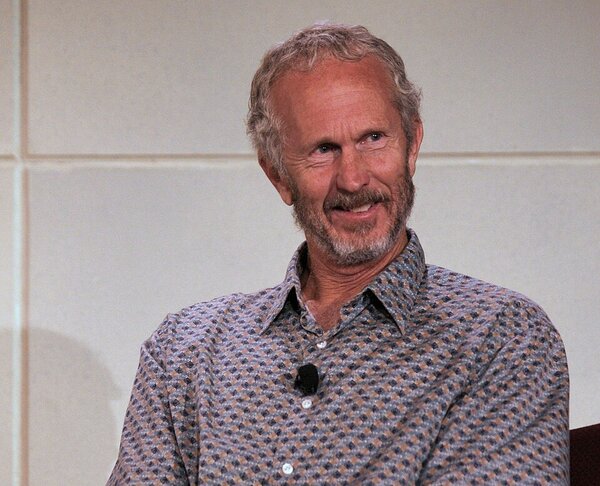
American complex systems scientist, a pioneer of chaos theory and econophysics, who builds agent-based simulations of whole economies at Oxford and at Macrocosm.
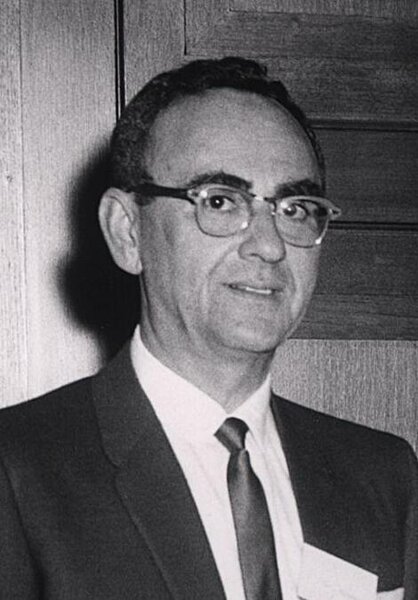
Los Alamos chemist and Manhattan Project veteran who led the founding of the Santa Fe Institute and was its first president, from 1984 to 1991.
-
Epidemiologist at New York University and a pioneer of agent-based modelling; co-author of Sugarscape and author of Generative Social Science.
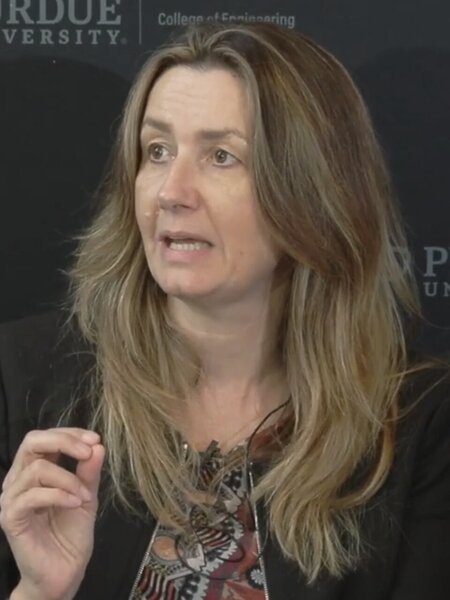
Computational engineer who directs the Oden Institute at UT Austin; works on reduced-order and multifidelity models and the mathematical foundations of digital twins.
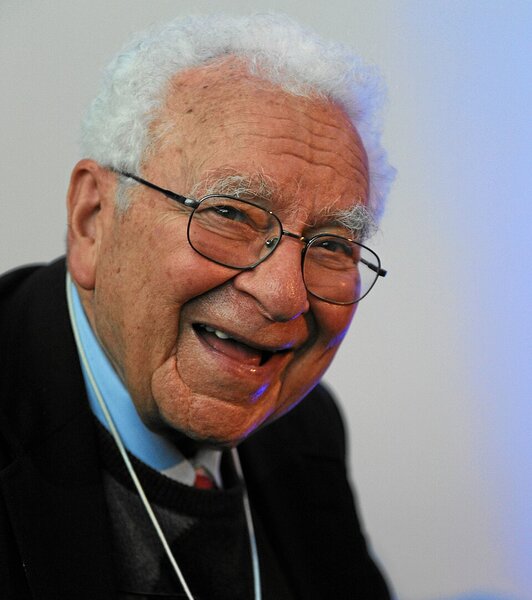
Physicist who won the 1969 Nobel Prize for classifying elementary particles, proposed quarks, and in 1984 co-founded the Santa Fe Institute and its study of complex systems.
-
Computational social scientist at George Mason University who built Sugarscape, the model behind Growing Artificial Societies (1996), with Joshua Epstein.
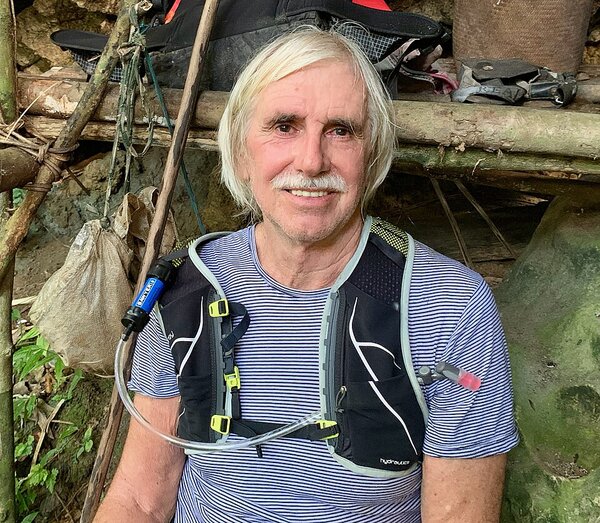
Anthropologist and complexity scientist whose model of Bali's water temple networks, built with James Kremer, showed how farmers' local choices can coordinate a watershed.
Tags: complex systems, agent-based modelling, scaling, cities, courses